If there was one takeaway from CES 2026, it’s this: AI isn’t just changing how marketers work. It’s changing marketing overall.
Signs of a new era packed the show floor. Agentic AI, interactive CTV, and data‑driven cities are reshaping how brands plan, buy, and connect. Media, commerce, and creative now run inside self-learning systems. These systems adapt faster than any human dashboard can refresh.
Platforms like Amazon, NBCU, and Roku launched some of the biggest tech stories. However, the real opportunity is for marketers in home services, personal care, and other local brands that want to compete with enterprise-level precision, without enterprise-level overhead.
Here are the top six CES trends every marketing leader should be watching (and experimenting with) right now.
1. Agentic AI: Your New Marketing Operating System
Agentic AI was the most widely discussed theme this year at CES 2026. These AI systems can take a business goal and turn it into a media plan and run it across channels and keep improving performance. This is all done while checking in with the marketer who set it up.
An example is an AI “media agent” that can plan and rebalance your CTV, search, and digital media buys. It uses live CRM and performance data while you focus on strategy, insights and storytelling.
NBCU, Roku, and Amazon all unveiled progress toward this model. These businesses previewing “smart media layers” that will soon manage planning, buying, and reporting inside a connected OS. This enables marketers to collaborate directly with AI agents that make real‑time decisions based on performance and context. And it removed the barrier of having to toggle between disconnected dashboards.
For home services and personal care brands, this is a game-changer. These systems could soon read service demand, seasonality, and geography. Then they automatically adjust ad spend to target the right homeowners or local clients at the right time. Media buying becomes less guesswork and more “always‑on optimization.”
2. Shoppable and Interactive CTV: Turning Viewers Into Customers
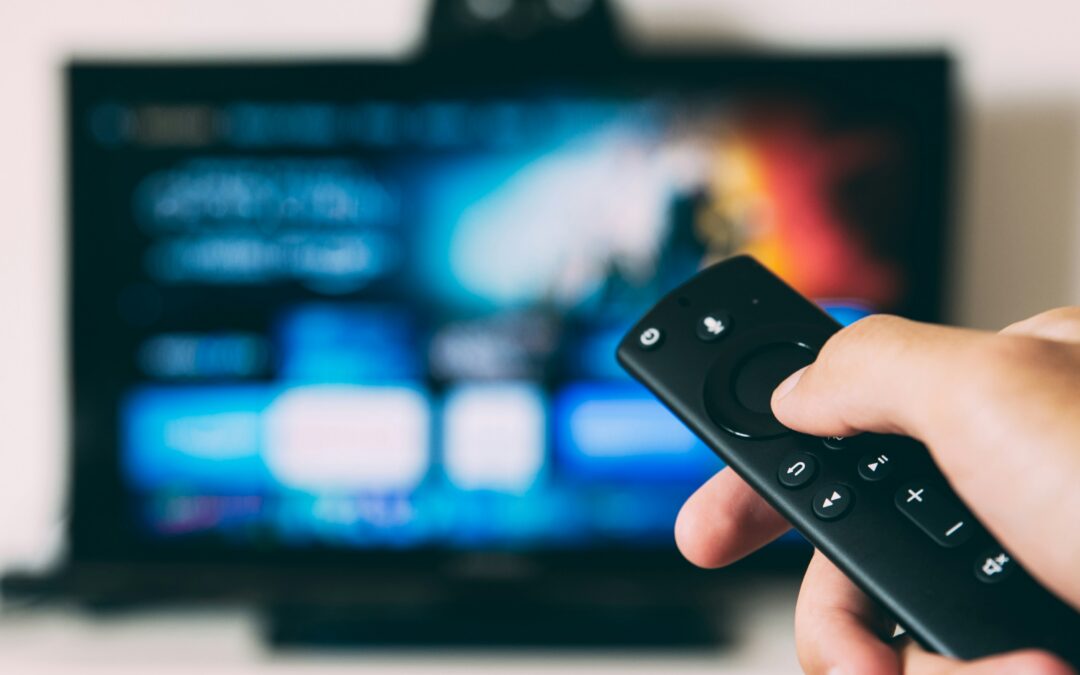
CTV is evolving from passive entertainment to interactive, commerce‑driven media. What began as “scan the QR code” has become “shop and schedule from the couch.” With new AI-driven interfaces like Google TV’s chat search, viewers can browse, compare, or pre-fill forms on-screen.
For marketers, this means performance marketing meets the living room. Imagine a short HVAC ad with a “schedule your tune‑up” button on screen. Or a personal services ad that lets viewers book a consult. Viewers can also save an exclusive offer during the show.
As shoppable formats mature, engagement metrics will deepen from impressions to meaningful interactions. For brands used to tracking web conversions, the television itself is about to become another measurable touchpoint.
3. Creators Become the New Media Networks
Creators were once considered sidekicks to brand campaigns. Now, they are the networks.
The main lesson from CES sessions is this. Creators like MrBeast and other niche experts work like always-on studios. They are not just influencers. They build multi‑platform ecosystems—YouTube, TikTok, podcasts, and even CTV channels—anchored in authority and authenticity.
For marketers, this shifts creator partnerships from one‑time endorsements to full‑funnel ecosystems. Home services brands can align with DIY and renovation creators to produce educational, high‑trust content. Then they can feed it into paid digital and CTV campaigns. Personal service brands can partner with lifestyle or wellness voices to show authentic experiences that tie to local offers.
Creative storytelling and performance targeting are no longer separate. They now work together in concert, and creator media sits right in the middle of that Venn diagram.
4. Smart Cities and Mobility Data: The Next Frontier for Local Targeting
A quieter, but equally transformative, theme from CES was mobility intelligence. New platforms are stitching together real‑time maps, vehicle data, and smart city sensors to form “living graphs” of how people move, shop, and behave in the physical world.
That might sound distant, but it’s about to rewrite local media planning. Imagine being able to identify neighborhoods with high housing turnover or commuter density. And then automatically focus CTV, digital audio, or OOH ads on those areas during relevant time windows.
For home services marketers, this could mean promoting seasonal maintenance as homeowners move into new builds. It could also mean targeting drivers within 10 miles of your service area with repair offers during busy hours.
Location targeting used to be static. With mobility data layered into media platforms, it becomes an intelligent, real‑time system that knows when and where your message matters most.
5. AR Glasses and Layered Media: From Screens to Street
While still emerging, AR glasses had a noticeable presence at CES. They’re getting lighter, smarter, and more integrated with smartphones and wearables. For marketers, that means a not‑so‑distant future where digital overlays live in the real world—from store shelves to front yards.
Picture potential customers walking through a hardware aisle and seeing “compare siding materials” or “estimate insulation savings here” prompts in augmented view. Or imagine a beauty service offering live, visual try‑ons or how‑it‑works demos through AR headset content.
Even though it isn’t widely used yet, visually focused brands should try it early. Brands like remodelers and health and beauty providers are good examples.
The first movers will define the rules for what helpful, human‑centered AR marketing looks like.
6. Physical AI and Home Robots: The New Brand Touchpoints
Finally, CES spotlighted how AI is moving from screens into real environments. “Physical AI” like home robots, smart assistants, and even connected play devices, turns the living room into an intelligent interaction hub.
LG’s new CLOiD robot and LEGO’s connected play system exemplify this trend. They sense changes, respond to voice, and interact in contextual ways. For marketers, those surfaces could eventually deliver helpful prompts, reminders, or even interactive content. Imagine a home robot that recommends seasonal maintenance when it detects temperature patterns or energy spikes.
This isn’t about selling through robots; it’s about using the platforms to deliver relevant, helpful experiences. It’s to become part of the household conversation, rather than an invasion of it.
The Grand Picture for 2026: AI as Amplifier, Not Replacement
Across all six trends, one principle stands out: AI is evolving from a tool we use to a collaborator we guide.
Agentic AI will automate the heavy lifting. Interactive CTV and creator ecosystems will make messages more dynamic and discoverable. Smart data and devices will pull physical spaces into the digital mix.
For CMOs and marketing leaders, the challenge isn’t to chase every new platform. But rather to build adaptive strategies that let AI do what it does best: analyze, predict, rebalance. That frees you to do what humans do best: craft brands that connect, stories that resonate, and experiences that feel real.
2026 is shaping up to be the year that marketing will work smarter. The agencies and marketers who use AI to boost creativity and strategy will lead the next wave of growth. The future of media buys, content, and customer connection is already unfolding. The question is: are you ready for AI to be your co-pilot?