Every fall, before we build next year’s plans for our clients and take a hard look at where attention and ad dollars are actually moving, we pull the latest research from sources like eMarketer, Nielsen, Edison Research, and Mediaocean. We then hold it up against what we’re seeing in our own client accounts.
The effort comes together in our State of Media report. This year’s edition covers TV, audio, search, social, programmatic, and creative. It’s the same research we use to guide budgets for home services, legal, and PE-backed brands, and we’re sharing it because these shifts affect almost anyone buying media right now.
A few findings surprised even us, like how quickly older audiences have moved to podcasts and streaming audio. But what stood out most was how often the same story showed up, no matter which channel we looked at.
Your customers are spread across more screens and platforms than they were even a year ago. Search is changing faster than most reporting can keep up with. A growing share of people now ask an AI assistant before they ever click a link. And after an unusually loud 2026, with the Olympics, the World Cup, and the midterms all landing in the same year, the ad market is settling into a steadier rhythm.
The fundamentals haven’t changed. Reaching the right people and measuring what actually drives revenue still win. What’s changed is where those people are and how they decide, and that’s what this series is about.
Over the next several weeks, we’ll dig into each area in its own post.

1. The ad market is getting back to normal
U.S. media ad spend is projected to reach $527 billion in 2027, up 8.6%. That’s healthy growth, but it’s a cool-down from 2026, when the Winter Olympics, the World Cup and the midterms pushed growth to 13.2%. Consumers are more cautious too, with sentiment at a multi-year low.
2. AI changed how people search
37% of consumers now begin their search with an AI tool instead of Google or Bing. About half of Google searches show an AI Overview. Additionally, 68% of U.S. Google searches ended without a click in early 2026. There’s good news for local businesses, though. High-intent “near me” searches still drive clicks and calls.
3. TV isn’t dying. It’s moving.
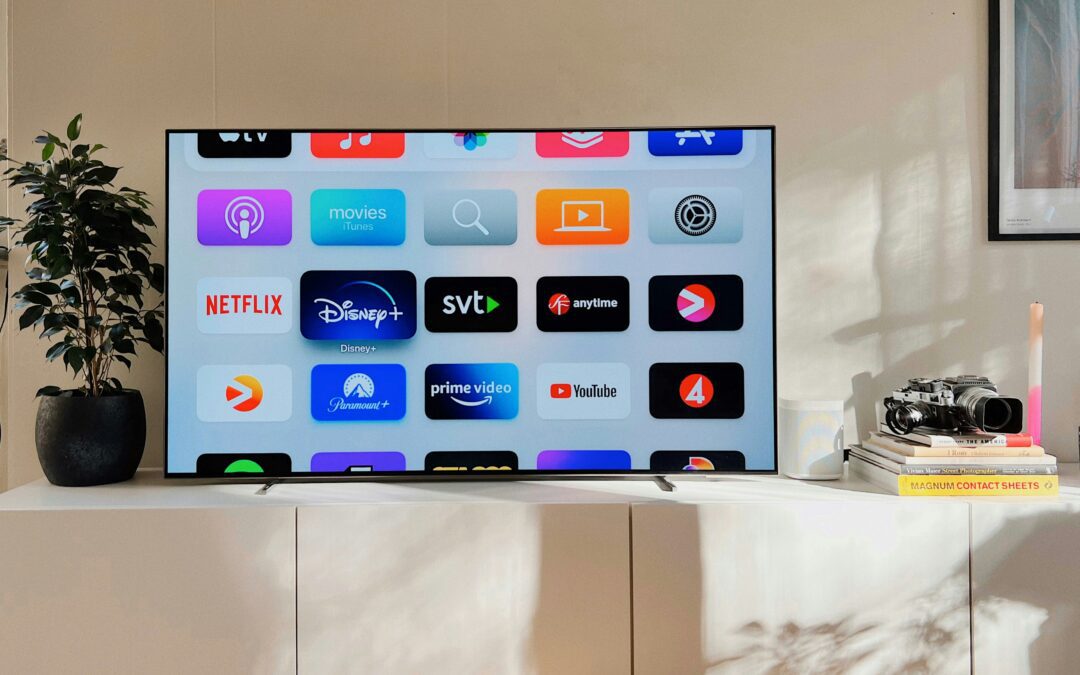
Streaming now accounts for 48.6% of all TV time. YouTube alone accounts for 13.8%, making it the largest single distributor on TV, larger than any broadcast network. About 73% of what people watch is still ad-supported. The audience is still there. It just watches differently.
4. Social is becoming a search engine
Video now accounts for more than 60% of the time adults spend on social media, and TikTok, YouTube, and Instagram increasingly serve as places to research and buy. Social ad spend is projected to grow 18.1% in 2027, faster than any other channel. What creators and customers post about you also shapes what AI tools say about you.
5. The audio audience is older than you think
Podcasts now reach 68% of Americans 35 to 54 and 44% of those 55 and older. The 55-plus figure has more than doubled in three years. And three platforms (YouTube, Spotify and Apple) account for 77% of daily podcast listening.
6. AI makes creative faster, not automatically better
AI now handles the slow parts of creative work, like resizing ads for every platform and turning out first drafts. That cuts production time and cost, so it’s realistic to test far more versions than before. More versions equals more room to tailor creative by audience and market, and faster answers on what works. The ideas and the brand judgment still come from human input.
What ties it together
No single channel owns your customer anymore. The brands that do well in 2027 will plan around where their audience actually spends time, measure what really drives revenue, and keep testing as the platforms change.
We’ll close the series with a practical guide to building your 2027 plan. If you’d like to talk through what any of this means for your business before then, reach out below.